
Timiraos to the rescue
First published in Heard on the Trading Floor
Written in October 2022. Prices, yields and positions have changed since.
Last week we witnessed an acceleration of the sell off in the long-end and when on Friday we were about to open -2% in the long-end (TLT/UB) the Timiraos article in WSJ came out and reversed the course of action. Then, later in the day the FED’s Evans and Daly made several comments trying to reinforce the FED’s course of action - 4.50%-5% and then a pause. Before the cluster of comments hit the newswires I was convinced the sell off in bonds will accelerate and possibly catch up with the Gilts volatility. I think that coordinated action saved the day and in all honesty it was necessary as the FED is entering the blackout period. They need to make sure the market is aware of their actions prior to their decision and forward guidance on the 2nd of November.
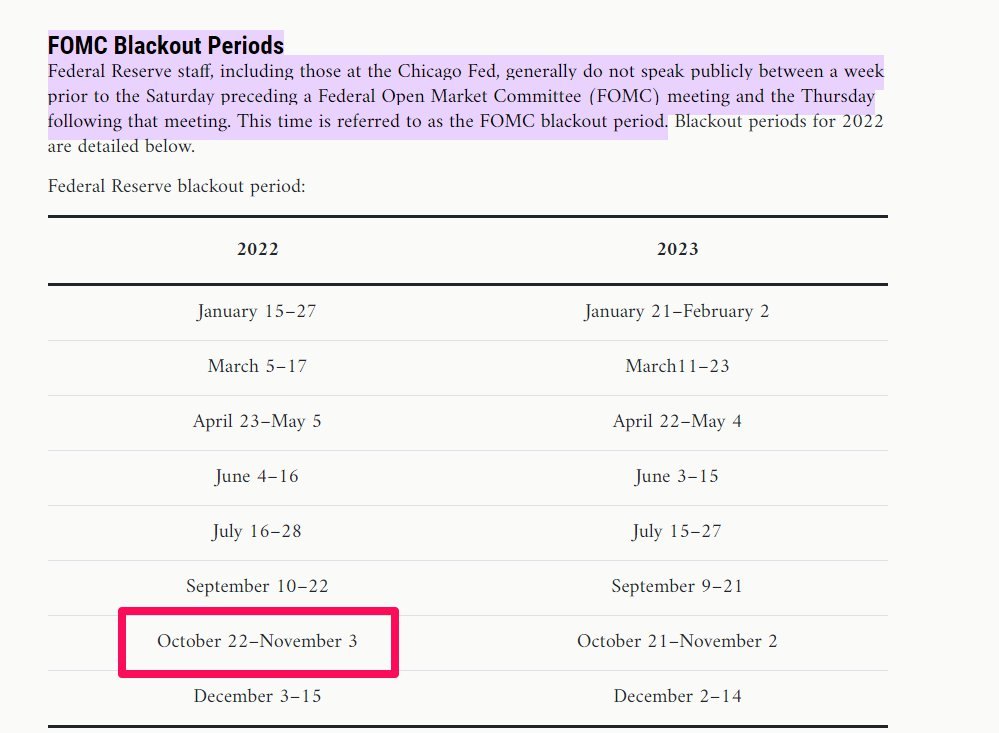
What was new this time around is the pace at which they want to get there. This was in fact what Timiraos conveyed with his WSJ article but was later reinforced by Daly and Evans. What they are trying to say is that now they are fearing over tightening based on lagging factors such as unemployment hence the constant need to communicate their intentions that they will stop at 4.5%-5%.
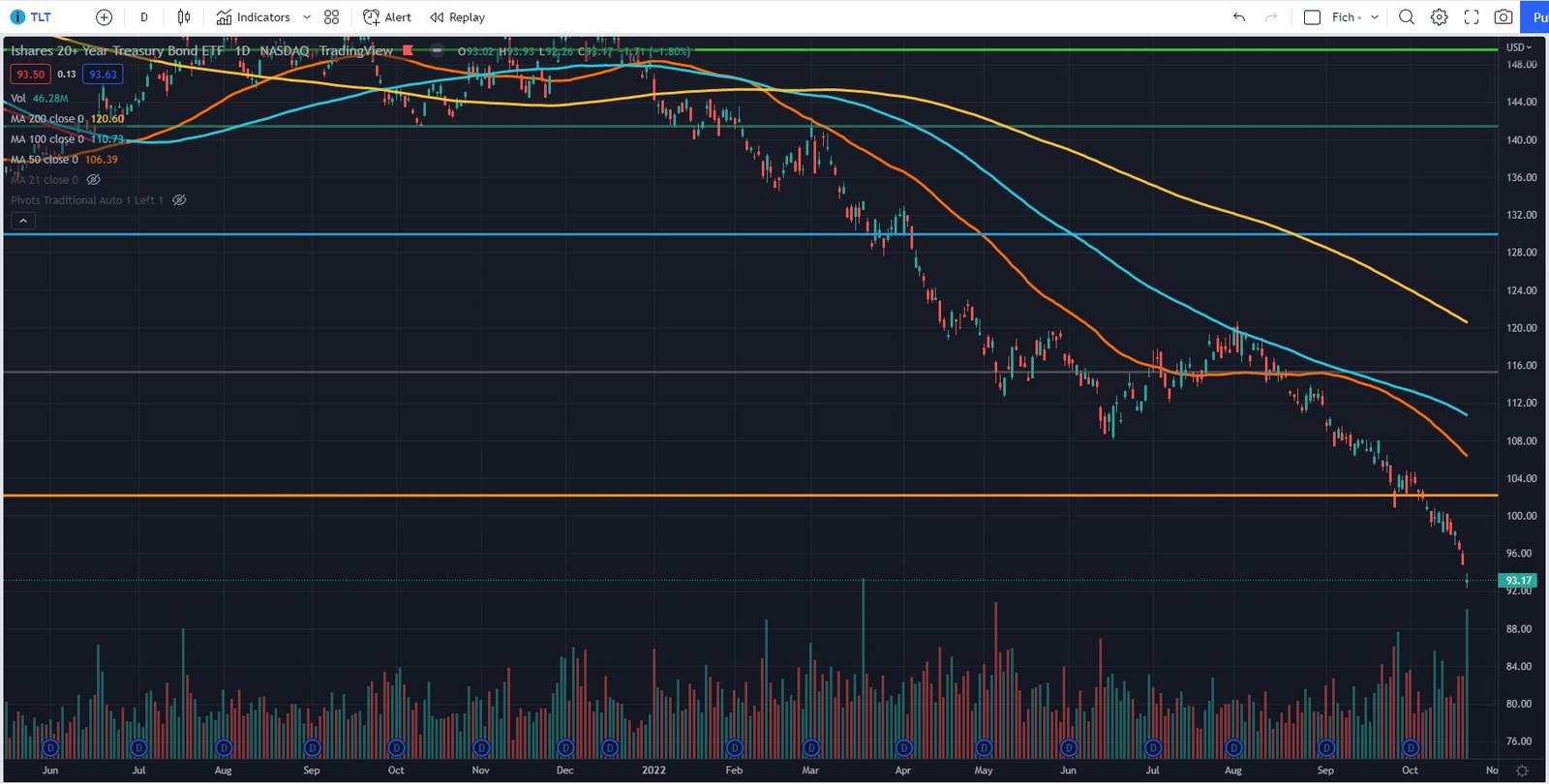
Unfortunately, the long-end did not buy into it and closed the week near the lows and could not rally on Friday despite the multiple media comments. TLT closed at a new yearly low while IEF, IEI and SHY (short-end) performed significantly better. What we are witnessing right now is a huge steepening process across the curve.
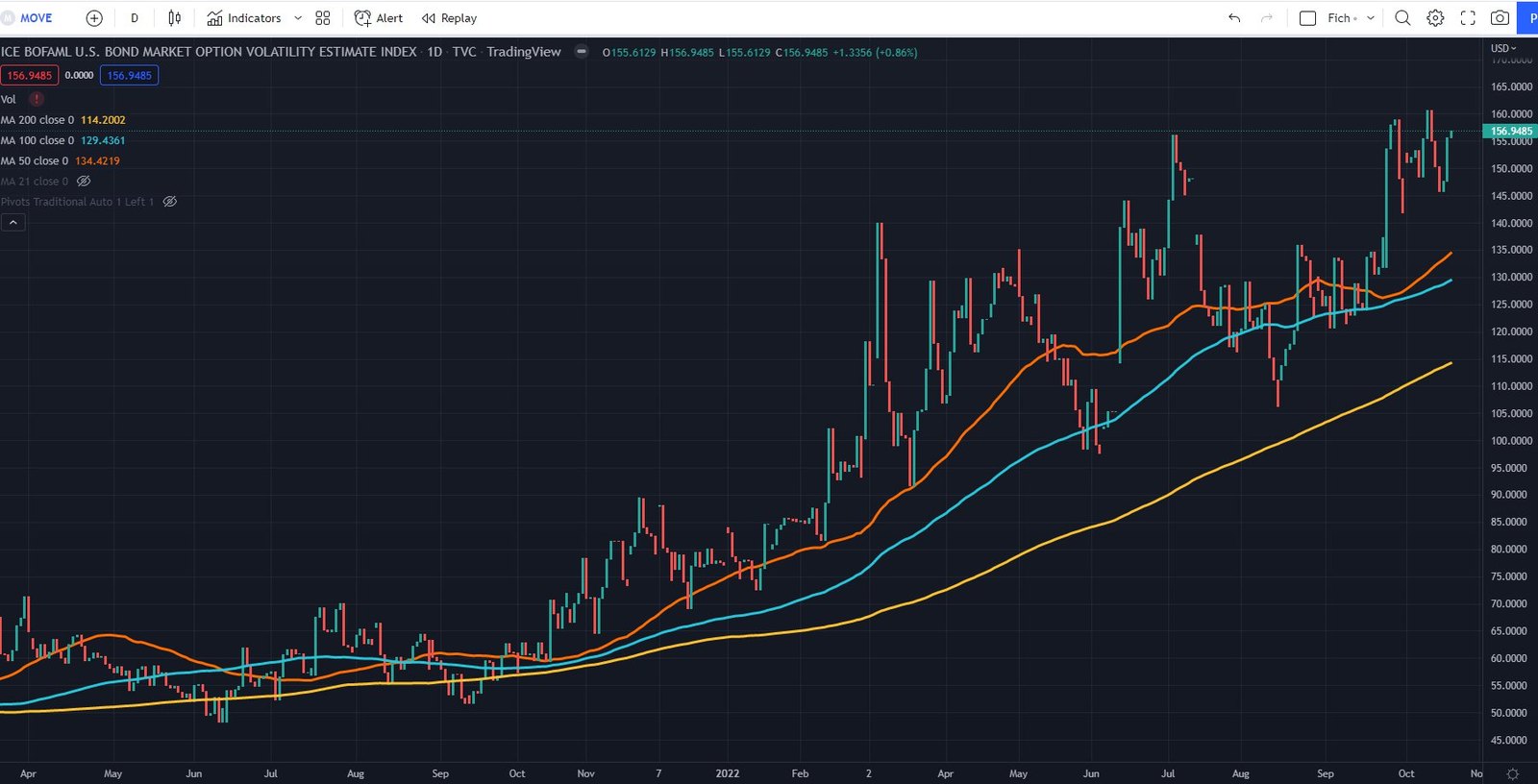
What makes a positive impression is the lack of follow through in the MOVE index while the long-end was selling hard. It is currently right at the highs but I could have imagined reaching a new high given the acceleration we saw in the long-end and the new highs in yields across the curve. I will take this as a positive sign.
POTENTIAL TRADES:
Long the short-end. I am thinking that anything High Yield with 3 to 4 years to maturity should do particularly well. With the latest comments made by several FED members, it is getting increasingly obviously that short-term yields like the 2Y and 5Y are close to their short-term peaks. On top of it, the equity markets showed relatively strength last week.
Long EMB or its constituents. I am thinking with the equities rally and the dollar finally easing off the highs, we are getting into a very favorable environment for EMB.
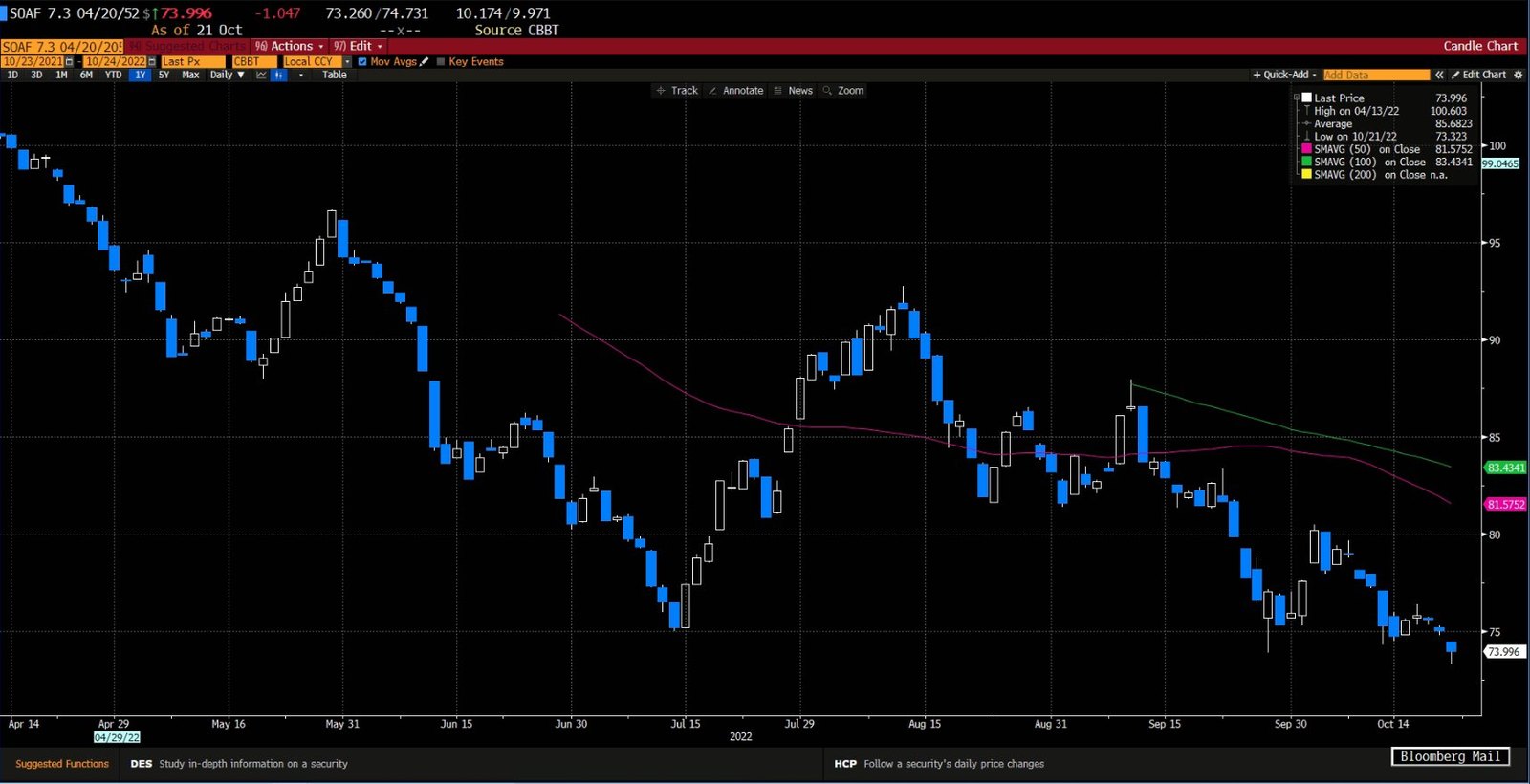
If you are interested in the long-end I find the chart of SOAF 7.3% 2052s particularly good. Coupon and current yield are fantastic and worth investing in, not just for a trade, however the long-end bonds are not the safest trade/investment at the moment due to the inherent volatility now. We are in a steepener market where the short-end is leading.
CURRENT TRADES:
NONE YET but am looking to pick up some short-end high yield bonds + BBB/BBB- with maturity before 2027. As usual I will post on Twitter.
RISKS:
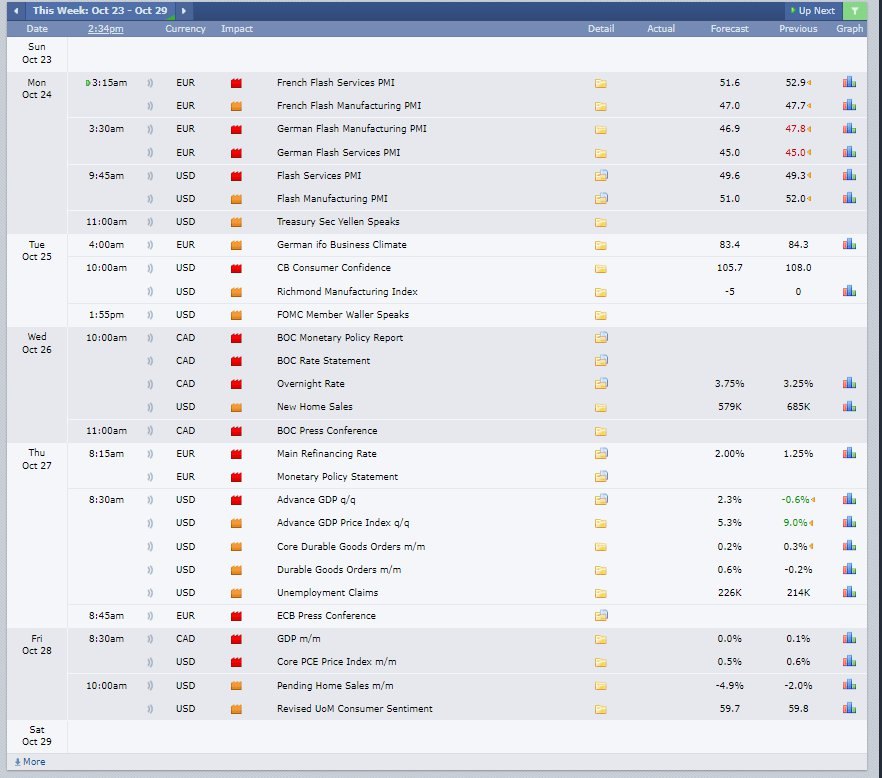
Plenty of economic data - Euro PMI data on Monday + GDP in the US
Bank of Canada and ECB rate decisions
I am particularly interested in the Euro PMI data to figure out to what extend had the decline in EUR energy prices had been accounted for.
CONCLUSION:
With the latest developments on Friday I am yet again leaning bullish. I am seeing growing evidence the FED is no longer interested in aggressive hiking while depending on lagging data such as unemployment and CPI. They are getting worried they may over tighten and logically want to pause until they can better determine what the consequences are from the initial hiking cycle.
This is OFM Capital’s own research, published for information only. It is not investment advice or an offer of any kind. We may hold positions in the securities mentioned.